Oncology
Overview
The Oncology research area is composed by nine groups addressing the principal unsolved issues in cancer. Their research covers fields such as child and adolescent cancer, melanoma, Gynecology, Urology, cancer stem cells and the molecular mechanisms of the tumor pathologies.
There are also three groups from the CIBBIM-Nanomedicine. These groups study the use of nanotechnology in biomedical applications to improve therapeutic strategies and diagnostics.
Publications
Director: Gil Moreno, Antonio
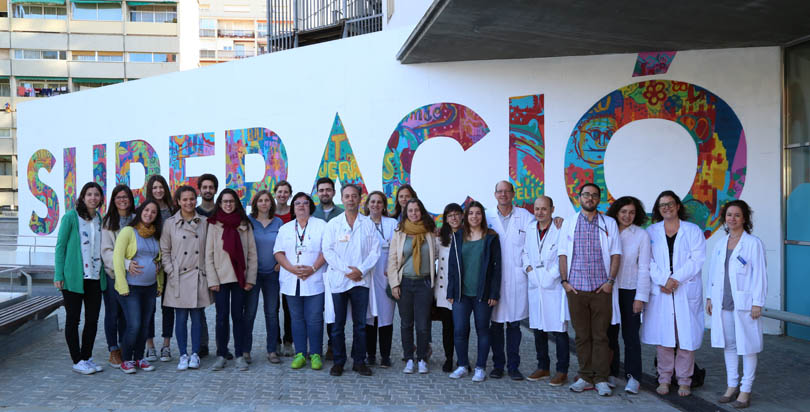
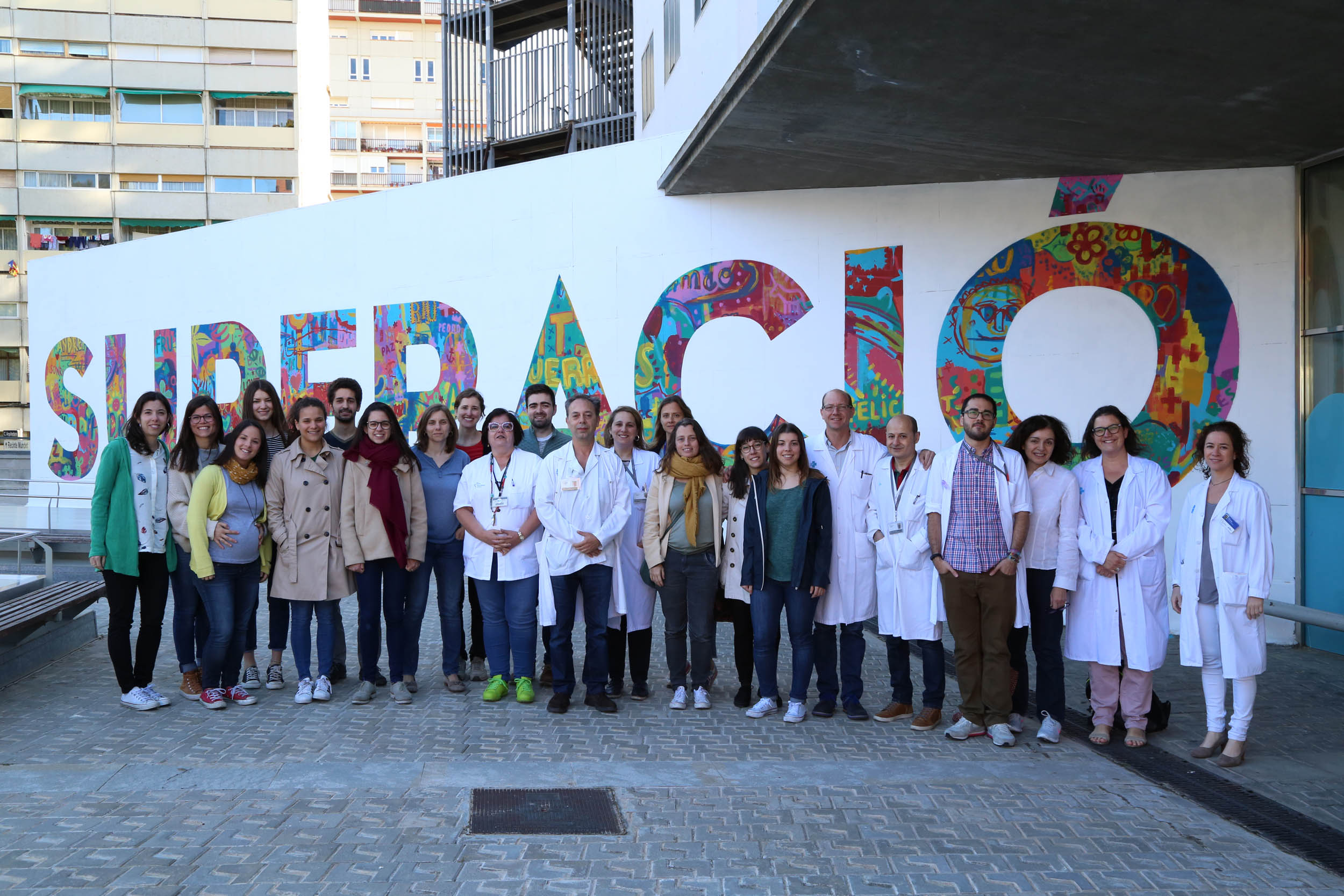
Head of group/Senior Researcher Gil Moreno, Antonio | Senior Researchers (PI) Anna Santamaria Margalef and Xavier Santamaria Costa| Post-Doc Researchers Eva Colás Ortega, Mireia Olivan Riera, Cristian Pablo Moiola and Blanca Majem Cavaller | PhD Student Tatiana Altadill Vallespí, Júlia Vallvé Juanico, Núria Masià Fando, Alfonso Parrilla Ocon, Melissa Bradbury Lobato, Eva Coll de la Rubia, Carlos López Gil and Leticia Suárez Cabrera | Master Student Marta Barber Servera | Gynecologists Sílvia Cabrera Díaz, Berta Díaz Feijoo, Maria Asunción Perez Benavente, Maria Cristina Centeno Mediavilla, Montserrat Cubo Abert, Javier De la Torre Fdez de Vega, Silvia Franco Camps, Laura Mañalich Barrachina, Jose Luis Poza Barrasus, José Luis Sánchez Iglesias and Elena Suarez Salvador | Pathologist Ángel García Jiménez | Administrative Elisabet Olivan Riera