Immunomediated Diseases and Innovative Therapies

< Back

Overview

The Immunomediated Diseases and Innovative Therapies is an heterogeneous area composed by both translational and clinical research groups which cover fields such as immunology, respiratory and systemic diseases, pharmacology, molecular diagnosis, heart repair and advanced therapies. Its main strength derives precisely from this heterogeneity and the complementarity of the scientific interests and expertise of the different groups, many of which are currently joining efforts and synergizing in a variety of collaborative research projects.

Publications

216
total
1,044.403
impact factor
4.853
average impact factor
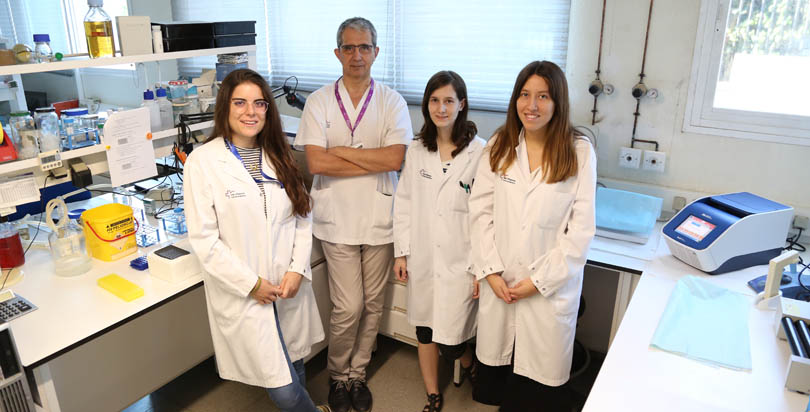
Director: Jordi Barquinero Mañez

In the context of our previous research line on the use of myeloid derived suppressor cells (MDSCs) expressing a self antigen as a therapy in the murine model of multiple sclerosis, we investigated novel methods of generating human MDSCs in vitro. We showed that these cells can be efficiently produced from peripheral blood (CD14+) monocytes and CD34+ hematopoietic progenitors. These in vitro-generated MDSCs expressed PD-L1 and were potent immunosuppressors in vitro. Also in this context, we generated preliminary results showing that MDSCs are increased in the peripheral blood of patients chronically infected with hepatitis C virus. Finally, in an European project that we coordinated at the VHIR, we generated an iPSC-based cellular model of the Royal disease. This work constituted the first description of a pluripotent stem cell-based model of hemophilia B and provided new insights on the disease that affected the European Royal families in the 19th and 20th centuries.

VHIR Annual Report 2017