Immunomediated Diseases and Innovative Therapies

< Back

Overview

The Immunomediated Diseases and Innovative Therapies is an heterogeneous area composed by both translational and clinical research groups which cover fields such as immunology, respiratory and systemic diseases, pharmacology, molecular diagnosis, heart repair and advanced therapies. Its main strength derives precisely from this heterogeneity and the complementarity of the scientific interests and expertise of the different groups, many of which are currently joining efforts and synergizing in a variety of collaborative research projects.

Publications

216
total
1,044.403
impact factor
4.853
average impact factor
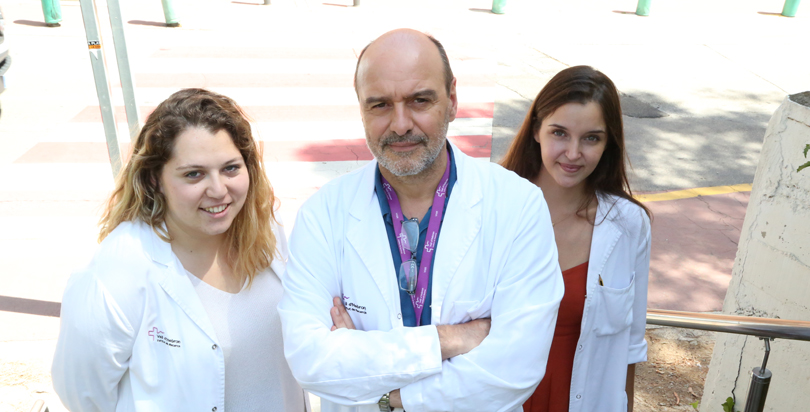
Director: Joan Sayós Ortega

In 2017 we have published a paper related with the role of the CD300 molecules in demyelinating diseases and we worked in a paper now submitted that describes the molecular and functional characterization of CD300f physiological ligand. Moreover, our Group has worked in collaboration with Dra. Anna Meseguer in the project “Could TIM-1 constitute a new target for renal carcinoma immunotherapy”, funded with 250,000 $ over a period of two years by AACR. Finally, we have initiated a new line of work in collaboration with the Group of Clinical Immunology. This new line is related with the molecular basis of hemophagocytic síndrome. Hemophagocytic syndrome (HLH) is a primary immunodeficiency produced by a combination of mutations in various genes and different triggers. In patients with primary HLH, bi-allelelic mutations in genes of the cytolytic pathway are responsible for the onset of the disease in the absence of other factors. By contrast, in the secondary HLH patients, poorly characterized genetic defects seem to predispose to the disease, requiring additional stimuli such as viral infections, inflammatory or tumoral processes for the development of the same. The objective of this project is the identification and the molecular and functional characterization of new genes whose mutations are responsible for or contribute to the development of HLH and new mutations in genes previously described as causing the disease.

VHIR Annual Report 2017