Neurosciences
Overview
The Neuroscience area is consolidating its position as one of the largest clusters of research labs working on neurological diseases across Europe. Thirteen groups are currently part of this area, working closely with top clinicians at the hospital. The area encompasses different aspects related to neuroscience, such as neural development, neurodegeneration, neuroimmunology, neurological pain, mental health, neurosurgery or pediatric neurology.
There are groups also focused on cell signaling and apoptosis and translational bioinformatics.
Publications
Director: Xavier Montalban Gairín
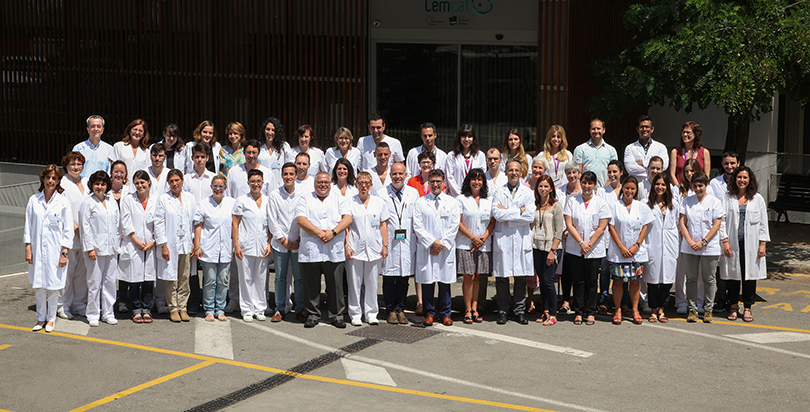
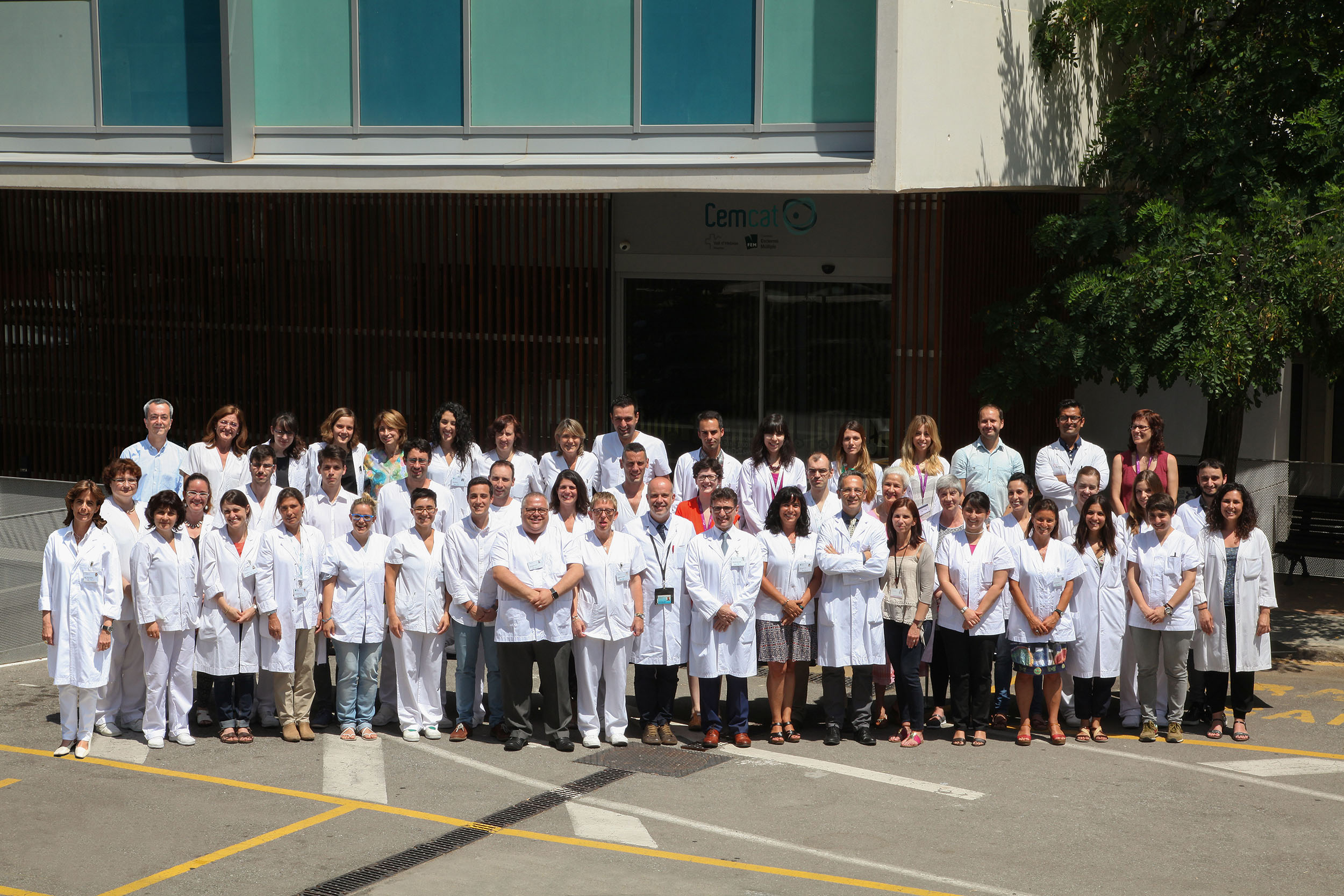
Group Leader Xavier Montalban Gairin | Nursing, technical and administrative staff Manel Alberich Jordà, Neus Bathilde Pla, Rosario Baztán Gallués, Sergio Cabello Martínez, Gabriel L Camiña Rodríguez, Margarida Capell Maymó, Mireia Castillo Juárez, Javier Domeño Baztán, Dolors Fàbregas Xauradó, Silvia Ferrer López, Juan Fco Corral Gámez, Núria Filló Papiol, MilagrosFraga Pereira, Rafael García Mérida, Montserrat García Serqueda, Josep Graells Salvador, Carles Grau Vilanova, María Gloria Henríquez Gaztañondo, RosalíaHorno Ocaña, Montserrat Janer Cabo, Ilaria Laganà, Francisca López Martos, Gaizka Loyola Sanmillán, Nuria Martínez Royuela, Núria Martínez Sabaté, Elisabeth Morilla Castillo, Dunia Muñoz Valdivielso, Laura Navarro Parlade, Margarita Navarro Pérez, Ana María Nieto Montoya, Carmen Espejo Ruiz, Oriol Nualart Mundo, Clara Oriol Pujol, Jordi Pereira Ibáñez, Marta Guiteras, Mireia Resina Sallés, AndresRivera Pincay, Miguel Ángel Robles Sánchez, Marta Rodríguez Barranco, Montserrat Romero Reinaldos, Samuel Sánchez Pous, Carmen Santoyo Medina, Agusto César Sao Avilés, Andrea Serrano Mascarós, Sílvia Soler García, Sergio Vergara Ruíz and Cristina Vetoret Vázquez | Principal investigator Jordi Río Izquierdo, Sunny Malhotra, Elena Huerga Núnez, Nicolás Miguel Fissolo and Manuel Comabella López | Investigators Juli Alonso Farré, Elisenda Anglada Clofent, María Jesús Arévalo Navinés, Georgina Arrambide García, Cristina Auger Acosta, Fco. Javier Aymerich Martínez, Laura Calvo Barreiro, Joaquín Castilló Justribó, Pilar Coscojela Santaliestra, Carme Costa Riu, Herena Eixarch Ahufinger, Ingrid Galán Cartañá, Elia Gil Varea, Clara Matute Blanch, Rebeca Menéndez Díaz, Edwin Roger Meza Murillo, Luciana Midaglia Fernández, Patricia Mulero Carrillo, Carlos Nos Llopis, Susana Otero Romero, Deborah Pareto Onghena, Breogán Rodríguez Acevedo, Àlex Rovira Cañellas, Silvana Isabel Sarria Estrada, Jaume Sastre-Garriga, Xavier Sibera Aresté, Mar Tintoré Subirana, Alejandro Tomasello Weitz and Àngela Vidal Jordana