Infectious Diseases
Overview
The aim of the seven groups of this area is to improve the outcomes of patients with infectious diseases. The Epidemiology and Public Health group is mainly focused on the epidemiology and prevention of healthcare acquired infections, transmissible infections and on the new preventive vaccines. The Infectious Diseases group focuses on improving the strategies of clinical problems observed in clinical practice. Microbiology studies mechanisms of resistance to antimicrobials, pathogenicity, taxonomy and epidemiology, and infectious diseases diagnostics.
The CRIPS group focuses on the most prevalent aspects of infections in the intensive care unit (ICU), while SODIR group works in the areas of shock, organ dysfunction and resuscitation.
There is also a group focused on infection in immunocompromised pediatric patients, and a group from the CIBBIM-Nanomedicine interested in the synthesis, characterization and applications of engineered inorganic nanoparticles in the field of medicine.
Publications
Director: Magda Campins Martí
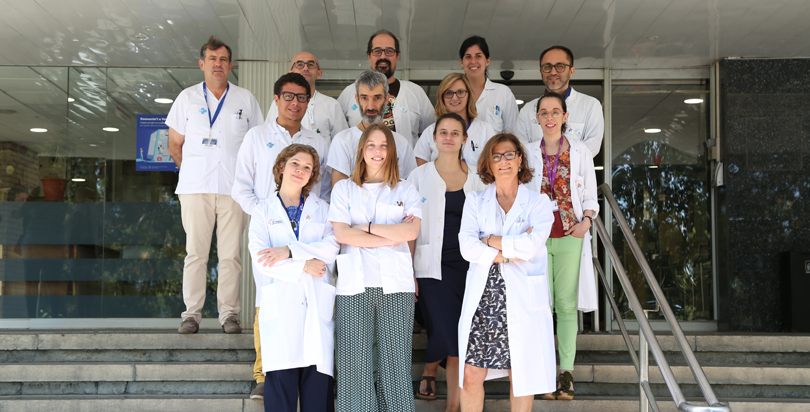
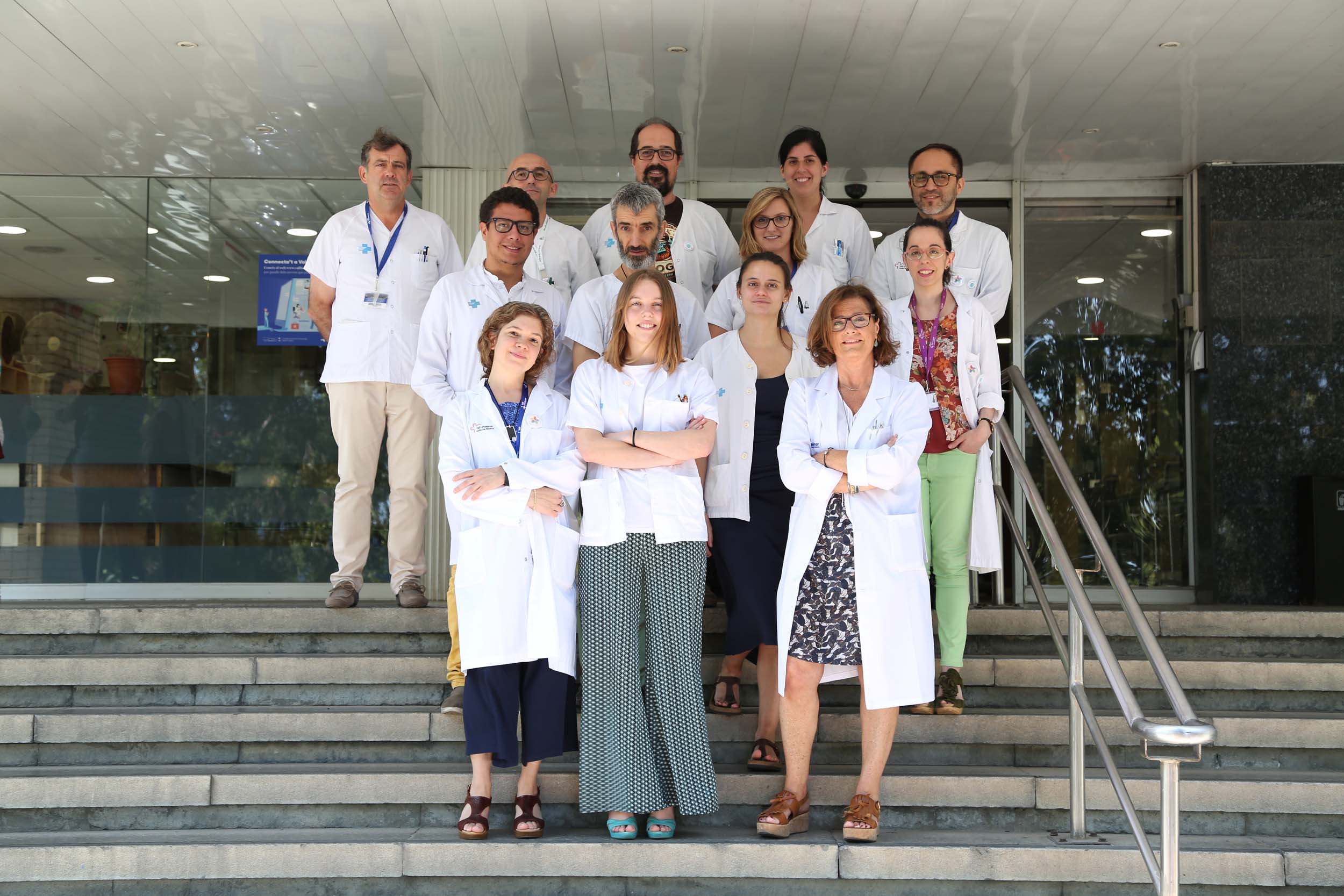
Group Leader Magda Campins Martí | Principal investigators Xavier Martínez Gómez and José Ángel Rodrigo Pendás | Researchers Lluis Armadans Gil, Susana Otero Romero, José María Sanchez García, Sonia Uriona Tuma and Valentina Balasso | Researchers in training Paula Peremiquel Trillas and Blanca Borrás Bermejo | Nursering, technical and administrative staff Eva del Amo Moran, Laia Pinós Tella and Carmen Ferrer Barbera