Neurosciences
Overview
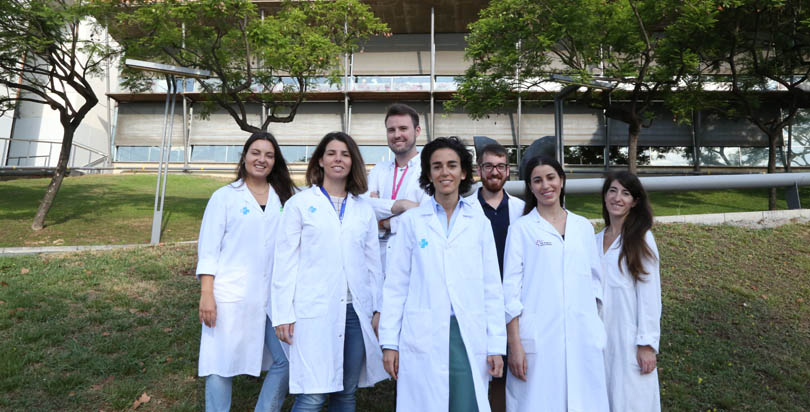
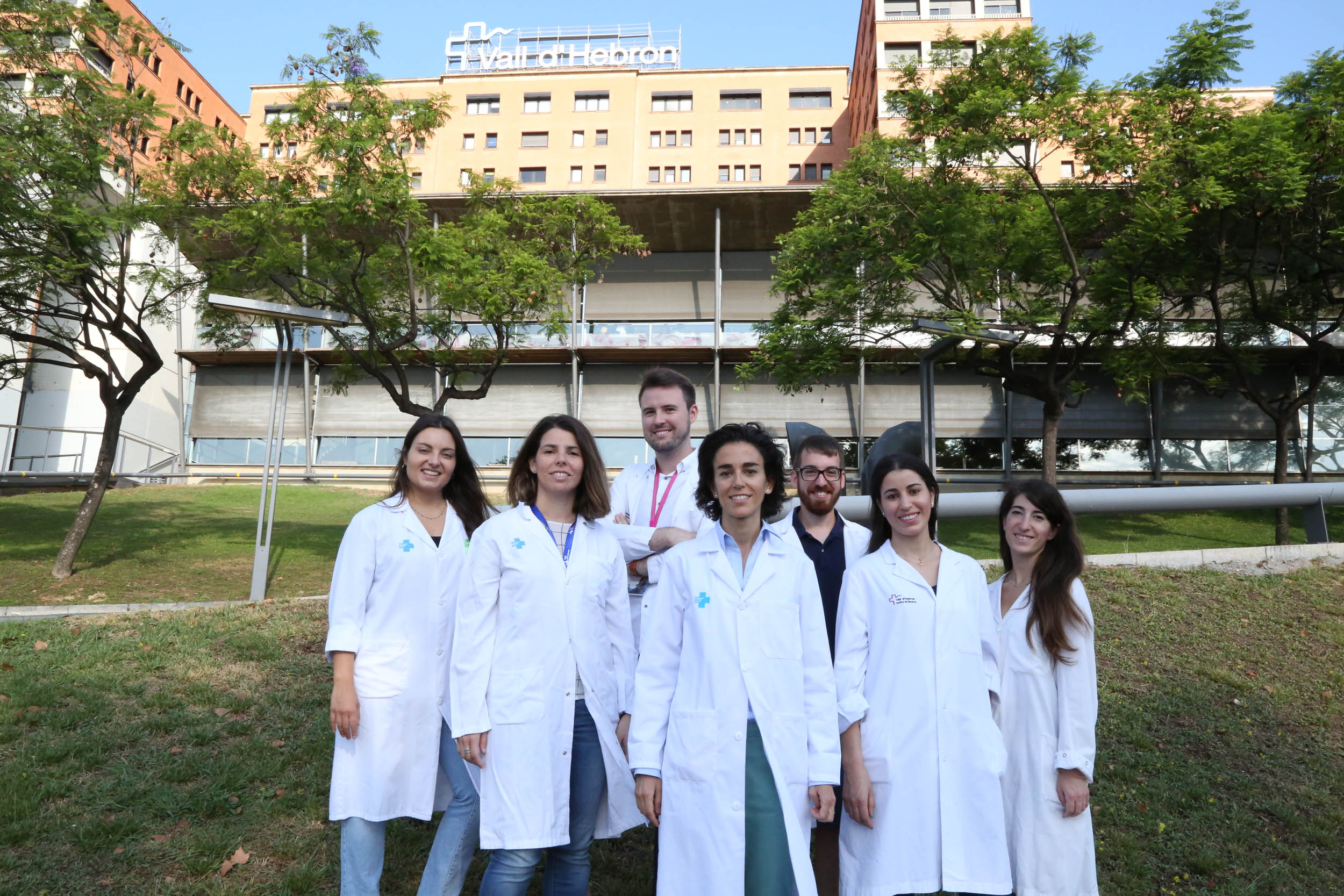
The Neuroscience area is consolidating its position as one of the largest clusters of research labs working on neurological diseases across Europe. Thirteen groups are currently part of this area, working closely with top clinicians at the hospital. The area encompasses different aspects related to neuroscience, such as neural development, neurodegeneration, neuroimmunology, neurological pain, mental health, neurosurgery or pediatric neurology.
There are groups also focused on cell signaling and apoptosis and translational bioinformatics.
Publications
Director: Patricia Pozo Rosich
Group Leader Patricia Pozo Rosich | PostDoc AdriàVilà Balló (PhD) | PhD Students Marta Torres Ferrus (MD, Neurologist), Juan Bernardo Gomez Galvan (MD, Neurologist), Alicia Alpuente Ruiz and Angela Martí Marca and Victor José Gallardo Lopez (Study Coordinator and Bioinformatician) | Lab Technician Laila Asskour