Neurosciences
Overview
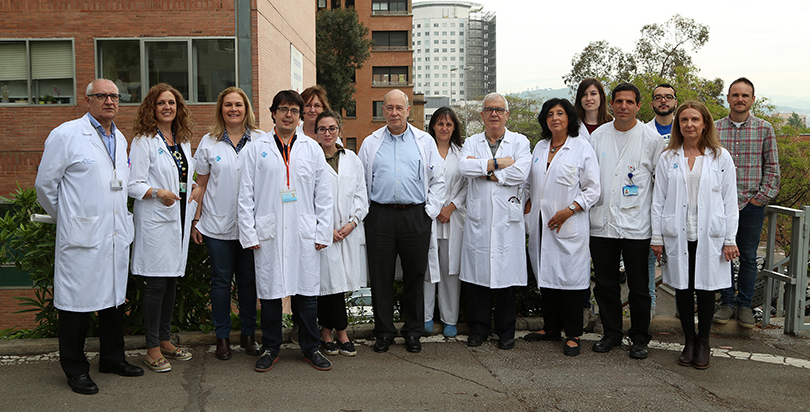
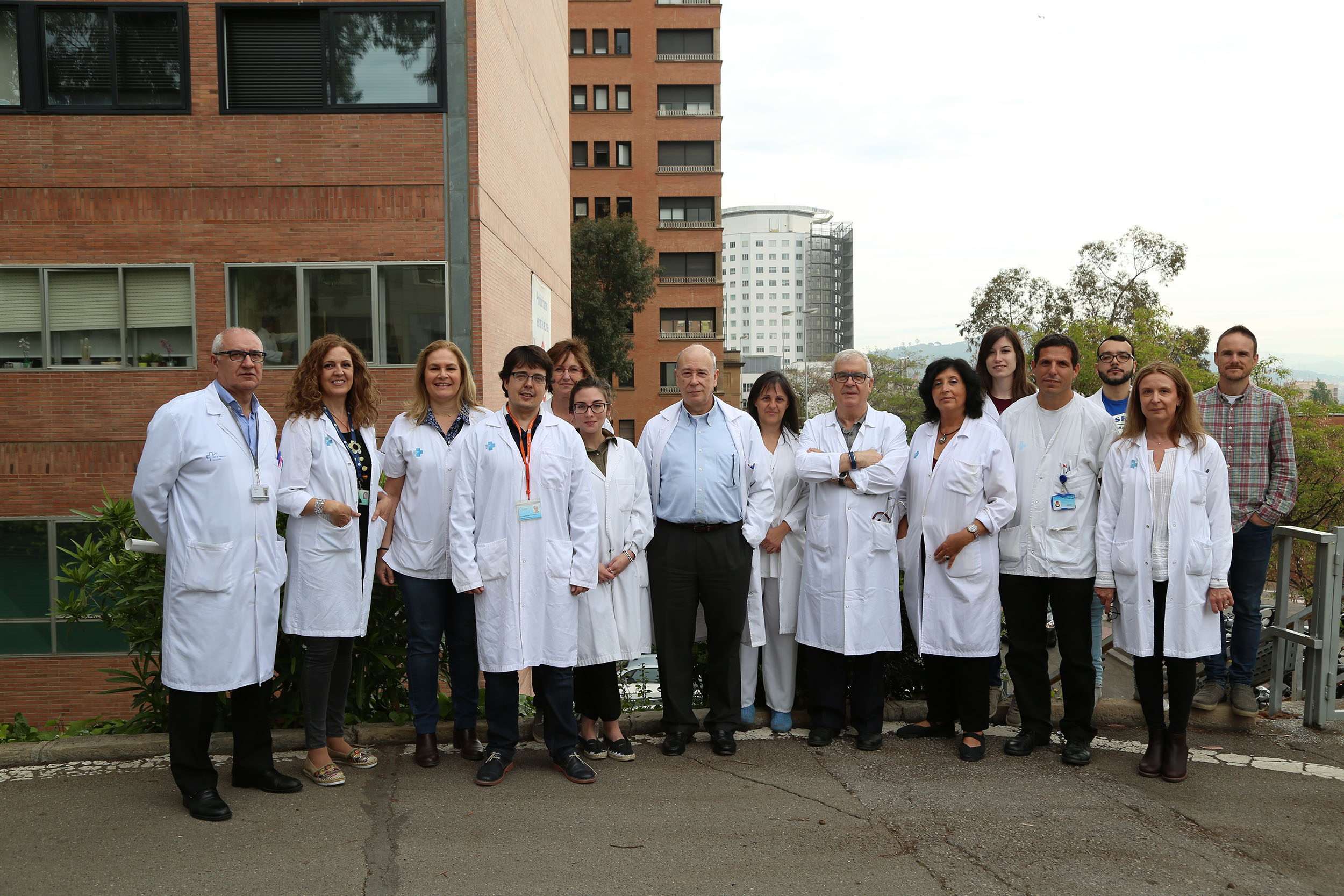
The Neuroscience area is consolidating its position as one of the largest clusters of research labs working on neurological diseases across Europe. Thirteen groups are currently part of this area, working closely with top clinicians at the hospital. The area encompasses different aspects related to neuroscience, such as neural development, neurodegeneration, neuroimmunology, neurological pain, mental health, neurosurgery or pediatric neurology.
There are groups also focused on cell signaling and apoptosis and translational bioinformatics.
Publications
Director: Joan Sahuquillo Barris
Group Leader Joan Sahuquillo Barris | Senior Researchers Fuat Arikan Abello (PI), Ma Antonia Poca Pastor (PI), Marcelino Báguena Martínez, Alejandro Ferré Masó, Francisco Ramón Martínez Ricarte, Dulce María Moncho Rodríguez, Francisca Munar Bauza, Miriam de Nadal Clanchet, Marylin Riveiro Vilaboa and Maria Sueiras Gil | PhD Student Lidia Castro González, David Sanchez Ortíz, Andreea Radoi, Julia Scheel and Mª Angeles Vidal Jorge | Nursing Mercedes Arribas Serrano, M Lourdes Exposito Mozas and Olga Mestres Soler | Lab Technician Noelia Montoya Clemente | Administrative Joana Segura Segura